Still paying $10K+ for polished brand content that nobody believes?
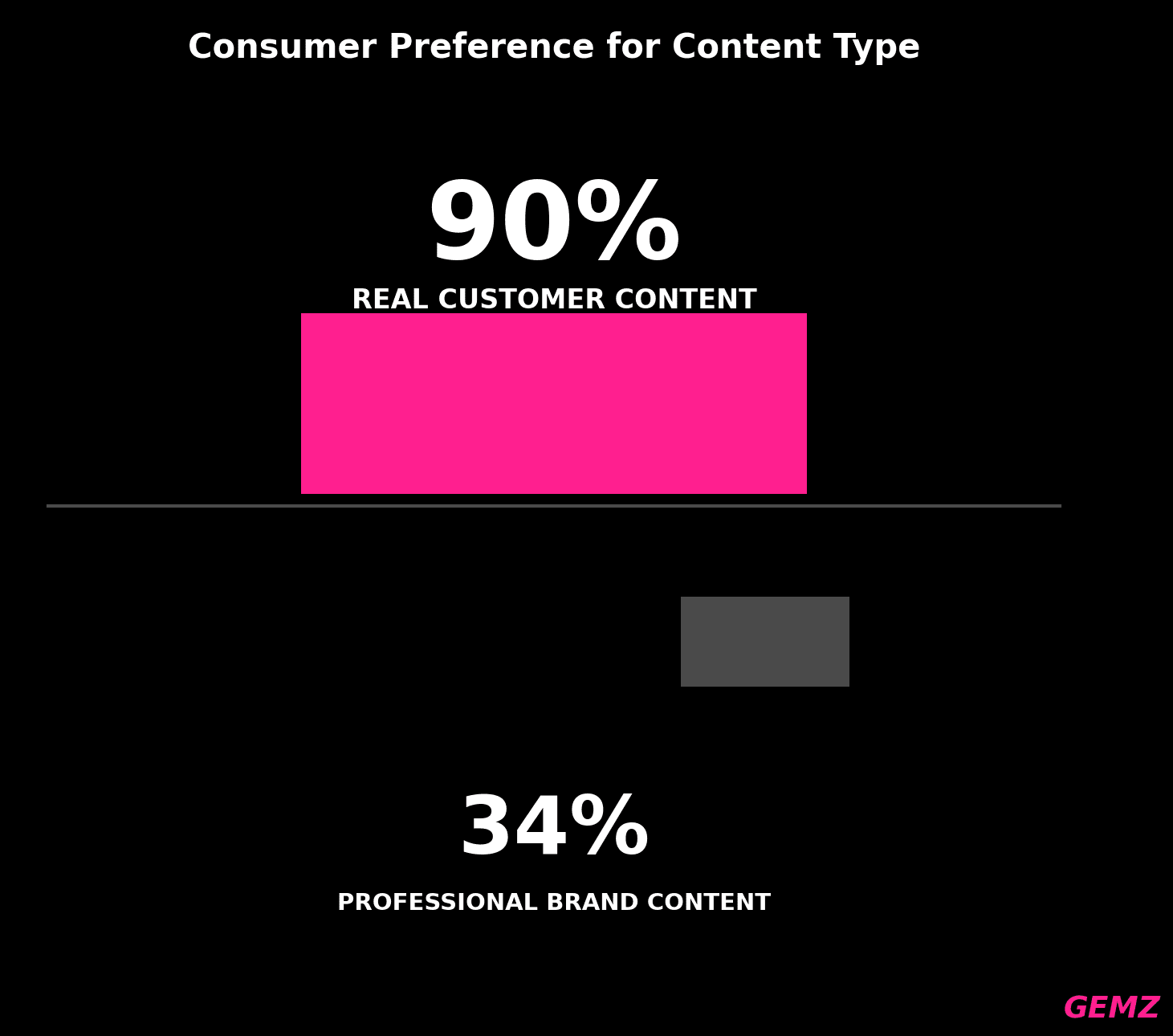
Here’s the thing: 90% of consumers say they want to see content from real customers. Not actors. Not models. Real people.
Enter UGC creators.
These aren’t your typical influencers chasing follower counts. UGC creators make authentic, relatable content that looks like it came from your customers—because stylistically, it does.
Let’s break down everything you need to know about working with UGC creators in 2025.
Ready to find creators?
Gemz uses real-time data and AI ranking to surface the right creators for your brand — no stale databases.
Try Gemz FreeWhat is a UGC Creator?
A UGC creator is someone who produces user-generated content style videos and photos for brands—but they’re not necessarily posting it to their own audience.
That’s the key difference from traditional influencers.
Traditional influencer: Creates content AND distributes it to their followers UGC creator: Creates content that brands use in their own marketing
Think of UGC creators as content production partners. They make stuff that feels authentic—unboxings, testimonials, tutorials, day-in-my-life content—and you use it however you want.
Why UGC Looks Different
You know that overly-polished brand content that screams “AD”? UGC is the opposite.
UGC content typically features:
- Natural lighting (not studio setups)
- Selfie-style or handheld camera angles
- Casual, conversational tone
- Real environments (homes, cars, outdoors)
- Genuine reactions and emotions
This isn’t about low quality. It’s about authenticity. And authenticity converts.
Why Brands Are Obsessed With UGC Creators
The numbers don’t lie:
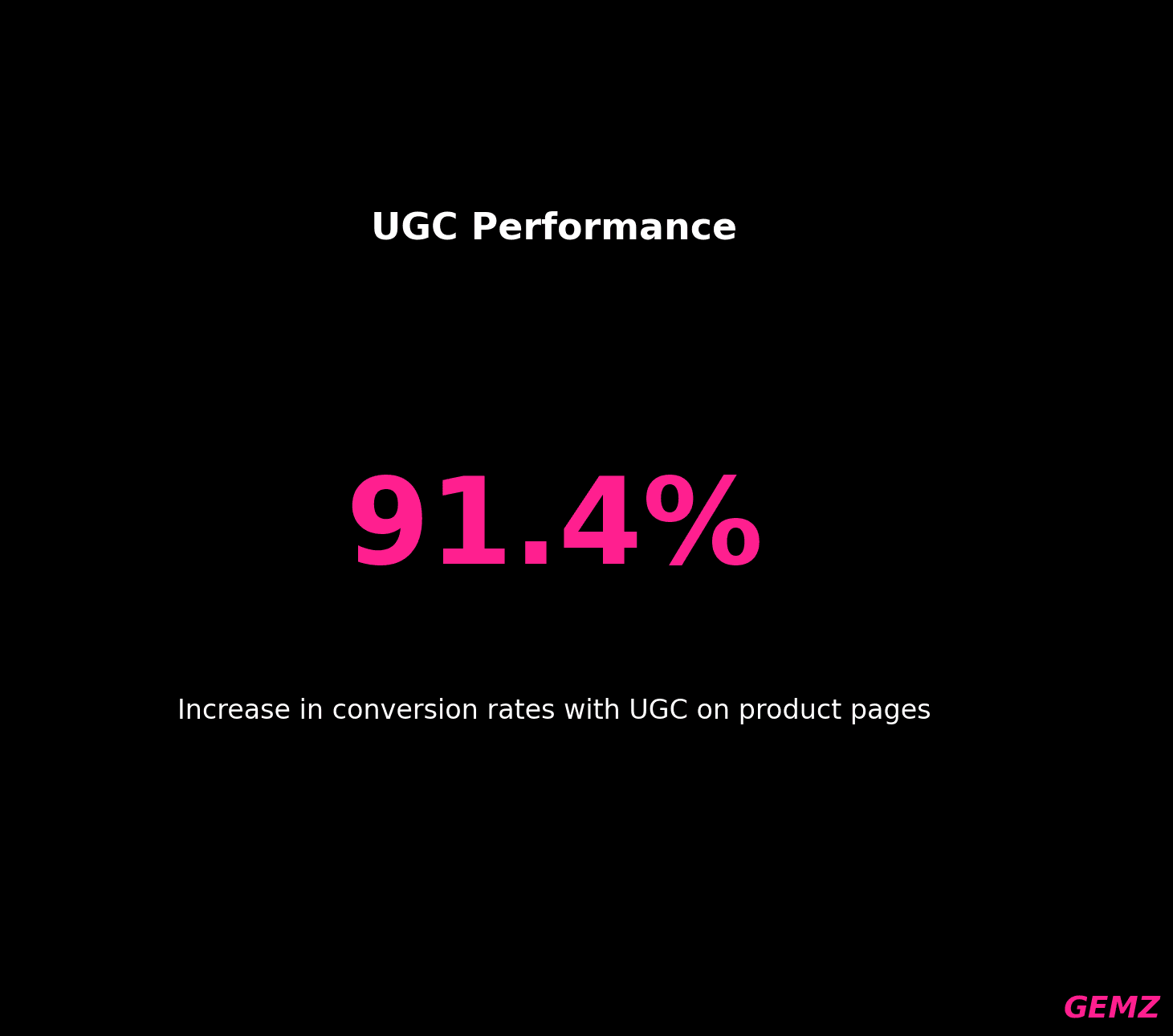
- 91.4% increase in conversion rates when UGC appears on product pages
- 4x higher click-through rates on UGC ads vs. brand-created content
- 50% lower cost-per-click for UGC-based advertising
- 86% of consumers trust brands that prioritize UGC over traditional influencer content
The Psychology Behind It
When someone sees a polished brand ad, their brain immediately categorizes it as “selling something.” Guard goes up.
When they see someone who looks like them—using a product in their real life—it registers differently. It’s social proof. It’s relatable. It bypasses the “ad filter.”
That’s why UGC works.
Types of UGC Content
Video Content
Unboxing videos “Look what just arrived!” First impressions, packaging reactions, initial thoughts.
Product reviews/testimonials Honest opinions about features, quality, and value. The good AND the “here’s what could be better.”
Tutorials/How-tos Demonstrating how to use the product. “Let me show you my routine with…”
Day-in-my-life content Product integrated naturally into daily activities. Less “here’s a product” and more “here’s my life (and this product is in it).”
Before/after content Transformation-focused. Skincare, fitness, home organization—anything with visible results.
Problem/solution videos “I had this problem… then I found this product.” Story-driven content.
Photo Content
- Lifestyle photography (product in real settings)
- Flat lays and product photography
- Before/after images
- Product-in-use shots
Written Content
- Product reviews
- Social media captions
- Testimonials
- Blog-style content
How to Find UGC Creators
Option 1: UGC Creator Platforms
Dedicated marketplaces connect brands with vetted UGC creators.
Pros:
- Pre-vetted creators with portfolios
- Streamlined workflow and payments
- Often includes usage rights by default
Cons:
- Platform fees
- Limited creator selection on smaller platforms
- Can feel transactional
Popular platforms: Billo, Insense, JoinBrands, Trend
Option 2: Social Media Discovery
Search hashtags like #UGCcreator, #UGCcommunity, or #UGCportfolio on TikTok and Instagram.
Pros:
- See creators’ actual content style
- No platform fees
- Can find hidden gems
Cons:
- Time-intensive manual search
- No vetting process
- Have to handle contracts/payments yourself
This is where AI-powered discovery tools like Gemz come in handy—they can surface creators who match your brand aesthetic without hours of scrolling.
Option 3: Your Own Customers
The most authentic UGC comes from people who already love your product.
How to source:
- Monitor social mentions and tagged posts
- Send post-purchase emails asking for content
- Create a branded hashtag and incentivize participation
- Build a customer creator community
Pros:
- Genuinely authentic (they actually use your product)
- Often free or incentivized with product/discounts
- Builds community and loyalty
Cons:
- Quality varies significantly
- Less control over output
- May not get enough volume
Option 4: Creator Communities
Facebook groups, Discord servers, and Reddit communities dedicated to UGC creators.
Popular spots:
- UGC Creator Community (Facebook)
- r/UGCcreators (Reddit)
- Various Discord servers for creators
What to Look for in a UGC Creator
Not all UGC creators are created equal. Here’s what separates the good from the great:
Portfolio Quality
Look for:
- Content that feels natural, not scripted
- Good audio quality (this matters more than video quality)
- Ability to match different brand aesthetics
- Range of content types (not just one style)
Reliability
Check:
- Response time to initial outreach
- Reviews/testimonials from other brands
- Clear communication style
- Professional approach to deadlines
Brand Fit
Consider:
- Demographics (age, location, lifestyle)
- Content aesthetic (does it match your brand?)
- Past brand collaborations (any competitors?)
- Authenticity of their personal content
Red Flags
Watch out for:
- Portfolios full of only one brand (lack of range)
- Overproduced, influencer-style content
- Poor audio quality
- Robotic or obviously scripted delivery
- No clear pricing or terms
How to Work With UGC Creators
Step 1: Define Your Needs
Before reaching out, get clear on:
Content type: Video? Photo? Both? Quantity: How many pieces per creator? Usage: Where will you use this content? Timeline: When do you need deliverables? Budget: What can you spend per piece?
Step 2: Write a Great Brief
Your brief should include:
The basics:
- Product information and key features
- Target audience description
- Brand voice and tone guidelines
Creative direction:
- Content format and length
- Key talking points (not a script)
- Visual references or mood boards
- What to avoid
Technical requirements:
- Video dimensions (9:16 for TikTok/Reels, 1:1 for feed)
- Resolution requirements
- Audio requirements
- File format preferences
Logistics:
- Deadline
- Revision policy
- Payment terms
- Usage rights
Step 3: Compensation & Usage Rights
Payment models:
Per-piece pricing:
- Simple UGC video: $50-150
- Complex UGC video: $150-400
- UGC photos: $25-100 per image
- Full content packages: $300-1,000+
Usage rights add-ons:
- Organic social use: Often included
- Paid ads: +50-100% of base rate
- Whitelisting: +50-100% of base rate
- Extended time periods: +25-50% per period
- Exclusivity: +100-300% of base rate
What affects pricing:
- Creator experience and demand
- Content complexity
- Number of revisions included
- Usage scope and duration
Step 4: Review Process
Set expectations upfront:
- How many rounds of revisions are included?
- What’s the turnaround time for feedback?
- Who provides final approval?
Pro tip: Give direction, not scripts. The best UGC comes when creators have room to be themselves.
Step 5: Maximize Your Content
One piece of UGC can become many assets:
- Full video for organic TikTok/Reels
- Trimmed clips for paid ads
- Screenshots for static ads
- Testimonial quotes for website
- Audio for podcast ads
- B-roll for brand videos
UGC Creator Rates in 2025
Here’s what you can expect to pay:
Experience Level
Video (30-60s)
Photo Set (3-5)
Beginner
$50-100
$30-75
Intermediate
$100-200
$75-150
Experienced
$200-400
$150-300
Premium
$400-800+
$300-500+
Rates vary based on:
- Niche (beauty/skincare commands higher rates)
- Content complexity
- Turnaround time (rush fees are common)
- Usage rights requested
UGC vs. Influencer Marketing: When to Use Each
Use UGC Creators When:
- You need high-volume content for ads
- Follower count doesn’t matter
- You want full control over distribution
- Budget is limited but content needs are high
- You’re testing multiple creative approaches
Use Influencer Marketing When:
- You need access to an established audience
- Brand awareness is the primary goal
- Authentic third-party endorsement matters
- You want organic reach and engagement
- Building long-term creator relationships is the strategy
The Best Approach: Both
Many brands use a hybrid strategy:
- UGC creators for ad content and owned channels
- Influencers for reach and credibility
- Customer UGC for social proof
Common Mistakes to Avoid
1. Over-Scripting Content
“Say exactly this…” kills authenticity. Give talking points and key messages, but let creators speak naturally.
2. Ignoring Audio Quality
Bad audio ruins good video. Make sure creators have decent microphones or shoot in quiet environments.
3. Not Securing Proper Rights
Get usage rights in writing before using content. This protects both parties.
4. Expecting Influencer Results
UGC creators aren’t influencers. Don’t expect them to post to their audience or drive direct sales.
5. One-and-Done Relationships
When you find great UGC creators, keep working with them. Consistency builds efficiency and better content over time.
Building a UGC Creator Program
For brands serious about UGC, build a system:
Creator roster: Build a bench of 10-20 reliable UGC creators across different demographics and styles.
Content calendar: Plan UGC needs quarterly, not ad-hoc.
Brief templates: Standardize your briefing process for efficiency.
Asset library: Organize all UGC content with proper tagging and usage rights documentation.
Performance tracking: Monitor which creators’ content performs best in ads and double down.
Measuring UGC Success
Track these metrics:
For paid ads:
- Click-through rate (CTR)
- Cost per click (CPC)
- Conversion rate
- Return on ad spend (ROAS)
- Thumb-stop rate (video views/impressions)
For organic content:
- Engagement rate
- Save/share rate
- Comments sentiment
- Follower growth
For website/product pages:
- Time on page with UGC
- Conversion rate lift
- Customer review quality
The Future of UGC
Here’s where things are heading:
AI-assisted creation: Tools helping creators edit faster and improve quality Shoppable UGC: Direct purchase integration within UGC content Live UGC: Real-time product demonstrations and Q&As Community-driven: Brands building private creator communities for ongoing content
Finding the right UGC creators starts with discovery. Gemz uses AI to surface creators across TikTok, Instagram, and YouTube—filtering by niche, aesthetic, and engagement to find creators who match your brand.
Infographic Concepts
Infographic 1: “UGC Creator vs. Traditional Influencer”
Side-by-side comparison showing the key differences: content ownership, distribution responsibility, pricing models, typical deliverables, and when to use each. Visual icons and comparison checkmarks.
Infographic 2: “UGC Content Types + Where to Use Them”
Visual flowchart showing different UGC formats (unboxing, testimonial, tutorial, etc.) with arrows pointing to where each works best (paid ads, organic social, product pages, email).