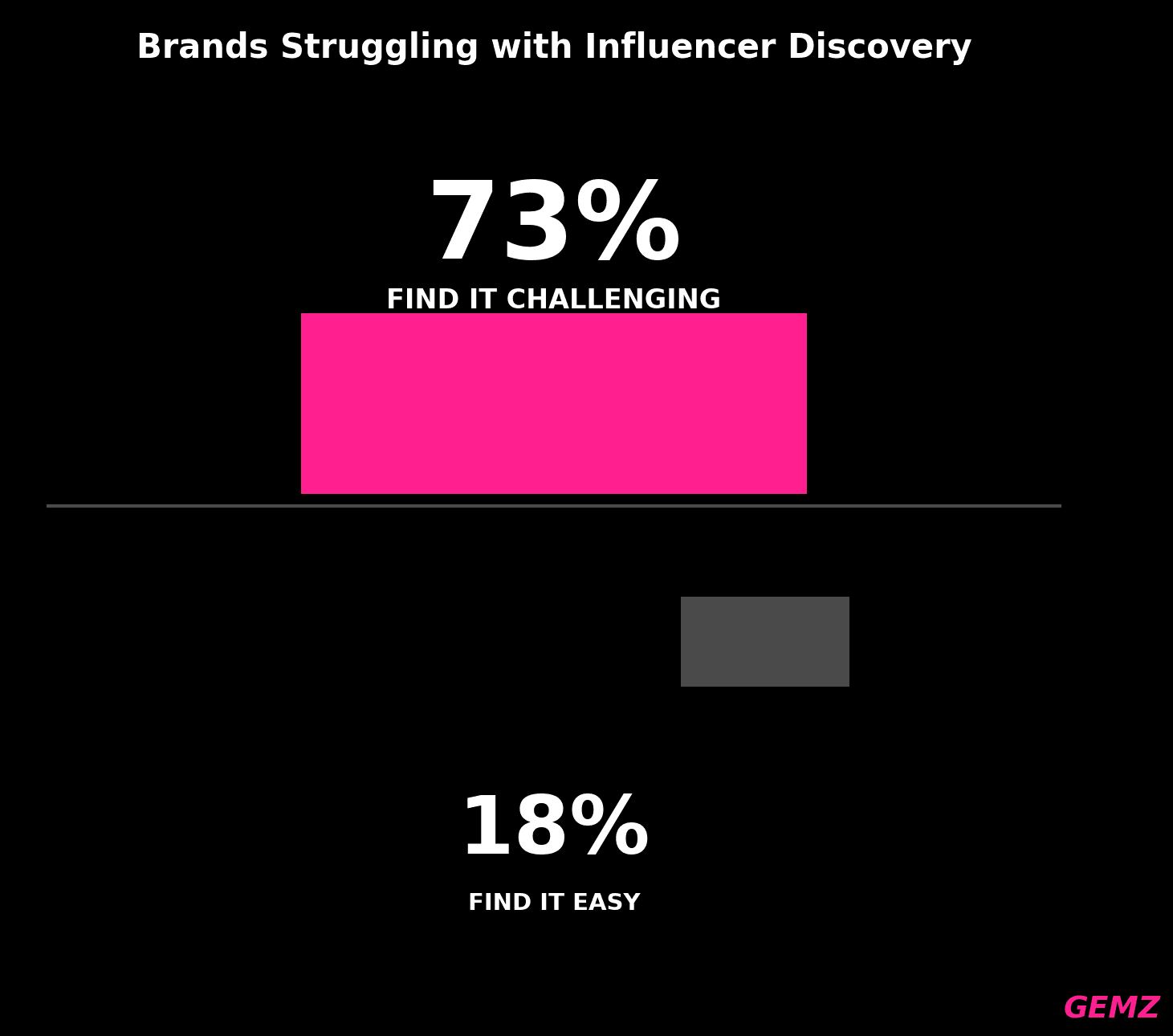
Finding influencers is easy. Finding the RIGHT influencers? That’s where most brands struggle.
You can spend hours scrolling through Instagram, building spreadsheets, and reaching out to creators—only to realize they don’t actually fit your brand, their engagement is fake, or they’re already working with your competitor.
Influencer discovery is the foundation of every successful campaign. Get it wrong, and nothing else matters.
Let’s break down how to find influencers who will actually move the needle for your brand.
What is Influencer Discovery?
Influencer discovery is the process of finding, evaluating, and selecting creators who align with your brand goals, target audience, and campaign objectives.
It’s more than just finding popular accounts. True discovery means identifying:
- Creators whose audience matches your target customer
- Authentic voices that align with your brand values
- Rising talent before they’re overpriced and oversaturated
- Partners who will genuinely connect with your product
The best influencer partnerships don’t happen by accident. They’re the result of strategic, intentional discovery.
Ready to find creators?
Gemz uses real-time data and AI ranking to surface the right creators for your brand — no stale databases.
Try Gemz FreeWhy Influencer Discovery Matters
The Cost of Getting It Wrong
Bad influencer selection leads to:
- Wasted budget on low-performing campaigns
- Content that doesn’t resonate with your audience
- Brand safety issues and PR problems
- Poor ROI that kills future influencer investment
The Value of Getting It Right
Strategic discovery leads to:
- Higher engagement rates (up to 8x better with proper fit)
- Authentic content that converts
- Long-term creator relationships
- Competitive advantage through early partnerships
Influencer Discovery Methods
Method 1: Manual Search (The Old Way)
This is how most brands still do it:
- Open Instagram/TikTok
- Search relevant hashtags
- Scroll… and scroll… and scroll
- Open profiles, check engagement, note down names
- Build a spreadsheet
- Research each creator individually
- Repeat for hours
Pros:
- No tool costs
- Direct familiarity with creator content
Cons:
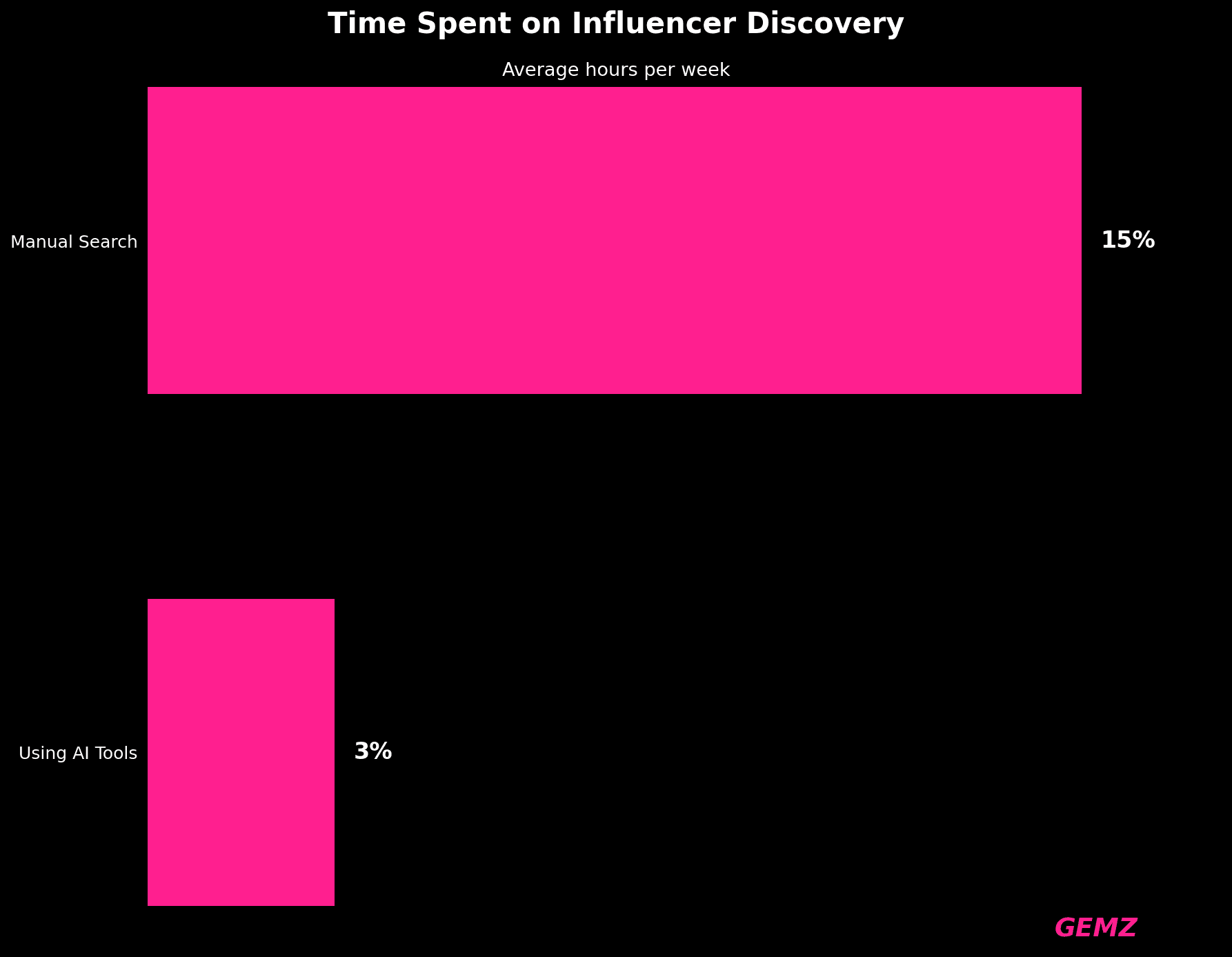
- Incredibly time-consuming (8-10 hours per campaign)
- Limited by what the algorithm shows you
- Easy to miss rising talent
- Hard to verify audience authenticity
- No systematic way to compare creators
Method 2: Hashtag and Keyword Research
Search for relevant hashtags and keywords to find creators in your niche:
Hashtag examples:
- Industry: #beautyblogger, #fitnesscreator, #techreviewer
- Content type: #sponsored, #ad, #gifted
- Creator communities: #microinfluencer, #ugccreator
Platform-specific search:
- TikTok: Search terms and check “Creators” tab
- Instagram: Explore hashtags and location tags
- YouTube: Search keywords and filter by upload date
Pros:
- Free
- Can find niche-specific creators
Cons:
- Surface-level discovery only
- Doesn’t show audience demographics
- No engagement verification
- Very time-intensive
Method 3: Competitor Analysis
See who’s already working with brands in your space:
- Check competitors’ tagged photos and mentions
- Search “[competitor] #ad” or “[competitor] #sponsored”
- Monitor competitor social accounts for collaborations
- Use tools to track competitor influencer mentions
Pros:
- Creators already proven in your industry
- Can identify gaps competitors are missing
- Shows what’s working in your market
Cons:
- Creators may have exclusivity agreements
- Often more expensive (established relationships)
- Following competitors vs. leading
Method 4: AI-Powered Discovery Platforms
This is where influencer discovery is heading.
AI tools analyze millions of creator profiles to surface matches based on:
- Content topics and aesthetics
- Audience demographics and interests
- Engagement authenticity
- Brand safety signals
- Growth trajectory
Platforms like Gemz use AI to surface relevant creators in real-time, ranking them by brand fit and identifying rising talent before competitors.
Pros:
- Dramatically faster (minutes vs. hours)
- Access to creators you’d never find manually
- Data-driven matching and verification
- Identify emerging talent early
- Scalable across multiple campaigns
Cons:
- Subscription costs
- Learning curve for new tools
- Still need human judgment for final selection
Method 5: Inbound and Community Building
Attract creators to you:
Brand ambassador programs: Create applications for creators who already love your brand.
Creator newsletters: Build an email list of interested creators for future campaigns.
Social listening: Monitor brand mentions to find organic advocates.
Events and activations: Host events that attract relevant creators.
Pros:
- High-intent creators who already know your brand
- Often lower cost partnerships
- Authentic enthusiasm
Cons:
- Takes time to build
- May not reach your ideal creators
- Limited volume
The Influencer Discovery Process
Step 1: Define Your Ideal Creator Profile
Before searching, know what you’re looking for:
Audience alignment:
- Demographics (age, gender, location)
- Interests and lifestyle
- Income/purchasing power
- Platform preferences
Content criteria:
- Content style and quality
- Posting frequency
- Topic focus
- Brand aesthetic match
Performance benchmarks:
- Follower range
- Engagement rate expectations
- Growth trajectory
- Past brand collaboration success
Practical factors:
- Budget range
- Exclusivity requirements
- Content rights needs
- Timeline flexibility
Step 2: Source Candidates
Use multiple discovery methods:
- Start with AI tools for efficient broad discovery
- Supplement with manual research in niche spaces
- Analyze competitors for proven performers
- Check inbound interest from your own community
Aim to create a long list of 50-100 potential creators before narrowing down.
Step 3: Evaluate and Verify
Don’t just look at follower counts. Dig deeper:
Engagement quality:
- Calculate true engagement rate (likes + comments / followers)
- Read comments—are they genuine or generic?
- Check for engagement pods or comment groups
- Look at saves and shares where visible
Audience authenticity:
- Use tools to check for fake followers
- Review follower demographics
- Look for sudden follower spikes (bought followers)
- Check if followers match the creator’s content niche
Content analysis:
- Watch multiple pieces of content
- Assess production quality and consistency
- Check how they integrate sponsored content
- Look for brand safety red flags
Brand fit:
- Past brand partnerships (any competitors?)
- Values alignment
- Aesthetic match
- Tone of voice compatibility
Step 4: Research Past Partnerships
Look at how creators have worked with brands before:
- Search “[creator name] #ad” or “#sponsored”
- Check their content for brand collaborations
- Look at how they disclose partnerships
- Assess the quality of sponsored vs. organic content
Red flags:
- Too many recent brand deals (oversaturation)
- Poor integration of sponsored content
- Competitor partnerships
- Lack of FTC compliance
Step 5: Create a Shortlist
Narrow your long list to 10-20 top candidates:
Creator
Platform
Followers
Eng. Rate
Notes
@creator1
TikTok
45K
6.2%
Great fit, responsive
@creator2
120K
3.8%
Past beauty brand work
@creator3
YouTube
80K
5.1%
Long-form expert
Include:
- Contact information
- Rate estimates (if known)
- Content examples
- Fit assessment
Step 6: Prioritize Outreach
Rank your shortlist by priority:
Tier 1: Perfect fits Reach out immediately, willing to negotiate on rate
Tier 2: Strong candidates Reach out in first wave, standard negotiation
Tier 3: Backup options Contact if Tier 1-2 don’t work out
Influencer Discovery by Platform
TikTok Discovery
Best practices:
- Search trending sounds and hashtags in your niche
- Check “For You” page with a fresh account in target demo
- Use TikTok Creator Marketplace for verified data
- Look at video view counts, not just followers
What to look for:
- Consistent view counts (not just viral one-offs)
- Comment section engagement
- Content style that fits short-form trends
- Sound/trend awareness
Instagram Discovery
Best practices:
- Search niche hashtags and location tags
- Check Explore page for trending creators
- Look at Reels performance separately from feed
- Review Stories for authentic engagement
What to look for:
- Feed aesthetic and consistency
- Story engagement (polls, questions)
- Reel performance vs. follower count
- Community interaction in comments
YouTube Discovery
Best practices:
- Search keywords relevant to your product
- Check “Channels” tab in search results
- Look at view-to-subscriber ratios
- Review comments for engagement quality
What to look for:
- Consistent upload schedule
- View counts relative to subscriber count
- Comment engagement and creator responses
- Integration quality in past sponsorships
Common Discovery Mistakes
1. Focusing Only on Follower Count
A creator with 500K followers and 0.5% engagement is worth less than one with 50K followers and 5% engagement. Always prioritize engagement quality.
2. Ignoring Audience Fit
Just because a creator makes content in your industry doesn’t mean their audience buys in your category. Verify demographic alignment.
3. Skipping Authenticity Checks
Fake followers and engagement pods are everywhere. Always verify before investing.
4. Only Looking at Current Performance
Some of the best partnerships come from creators on the rise. Tools that identify growth trajectory help you find talent before they’re expensive.
5. One-Platform Thinking
Your ideal creator might not be biggest on the platform you’re targeting. Look across TikTok, Instagram, and YouTube—many creators are multi-platform.
Advanced Discovery Strategies
Find Rising Talent Early
The sweet spot: creators with strong engagement and growing audiences who haven’t yet been discovered by competitors.
AI-powered tools like Gemz are specifically designed for this—surfacing creators in real-time as they’re gaining traction, ranked by relevance to your brand.
Why it matters:
- Lower rates (not yet in high demand)
- More responsive and eager to collaborate
- Authentic enthusiasm for partnerships
- Grow with them for long-term relationships
Build Creator Cohorts
Don’t think one influencer at a time. Build groups:
By tier: Mix of nano, micro, and macro creators By platform: TikTok specialists, Instagram experts, YouTube authorities By content type: UGC-style, editorial, educational By campaign role: Awareness drivers, conversion focused, community builders
Continuous Discovery
Influencer discovery isn’t a one-time activity. Build ongoing processes:
- Weekly monitoring of trending creators in your niche
- Alerts for brand mentions and organic advocates
- Regular refresh of your creator database
- Competitive intelligence on new partnerships
Measuring Discovery Success
Track these metrics to improve your discovery process:
Discovery efficiency:
- Time to build campaign shortlist
- Candidates reviewed per campaign
- Outreach response rate
Match quality:
- Campaign performance by discovery source
- Creator retention rate for repeat campaigns
- Audience overlap with target demographic
ROI indicators:
- Engagement rate vs. benchmark
- Conversion rate by creator
- Cost per acquisition trends
Influencer discovery is the foundation of influencer marketing success. Invest the time—or better yet, invest in tools that do the heavy lifting—and everything else gets easier.
Ready to transform your influencer discovery process? Gemz uses AI to surface the most relevant creators across TikTok, Instagram, and YouTube—ranking them by brand fit and identifying rising talent before your competitors do. Try it free.
Infographic Concepts
Infographic 1: “The Influencer Discovery Funnel”
Visual funnel showing the process: Long List (100+ creators) → Evaluation & Verification → Shortlist (10-20) → Outreach → Partnerships (3-5). Include key actions and tools at each stage.
Infographic 2: “What to Look for in an Influencer”
Checklist-style infographic with categories: Audience Fit (demographics, interests, authenticity), Content Quality (consistency, style, production), Engagement (rate, comment quality, growth), and Brand Safety (values, past partnerships, compliance). Visual checkboxes and icons.