The influencer marketing world moves fast. Like, “blink and you’ll miss the next platform trend” fast.
Whether you’re a brand marketer, agency pro, or just trying to stay ahead of the curve, you need to know what’s actually happening in this space.
Here’s your roundup of the biggest influencer marketing news, trends, and developments shaping the industry right now.
The Big Picture: Industry Growth in 2025
Let’s start with the numbers that matter:
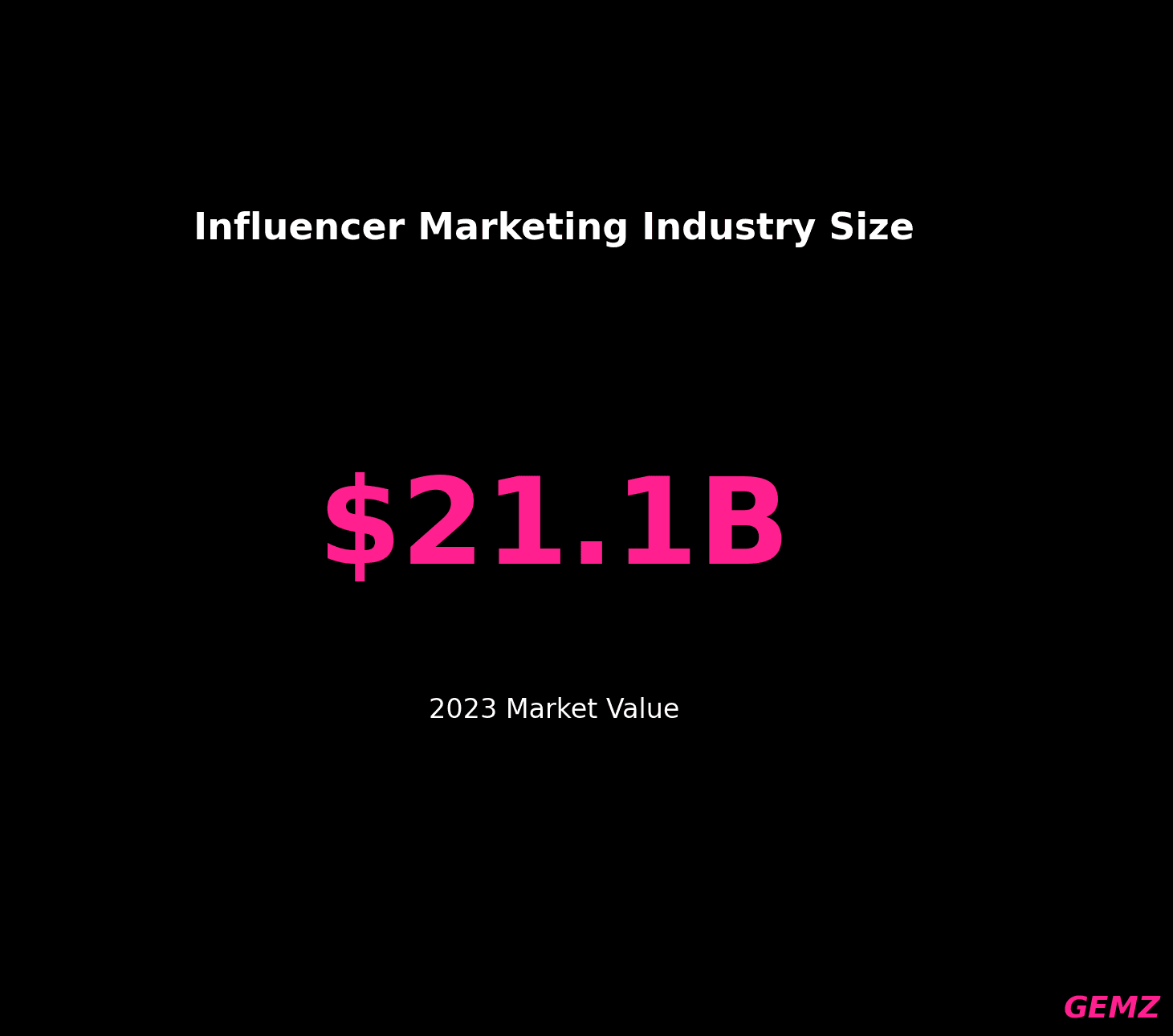
- $24 billion — Projected global influencer marketing spend in 2025
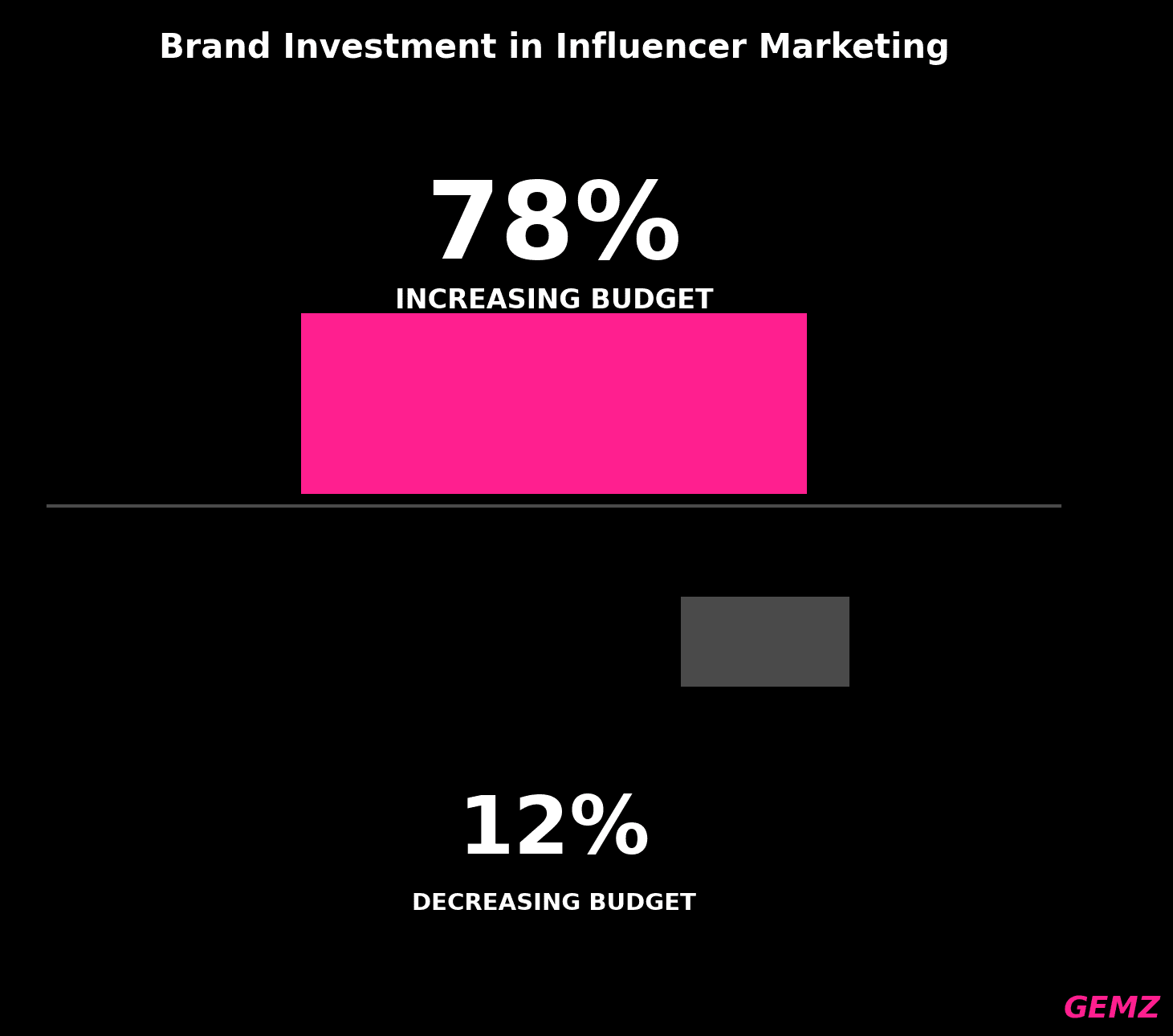
- 67% of marketers plan to increase their influencer budgets this year
- TikTok overtook Instagram as the #1 platform for influencer campaigns
- Nano-influencers (under 10K followers) now get the highest engagement rates
The industry isn’t just growing—it’s maturing. Brands are getting smarter about ROI, creators are professionalizing their businesses, and the tech powering it all is evolving rapidly.
Ready to find creators?
Gemz uses real-time data and AI ranking to surface the right creators for your brand — no stale databases.
Try Gemz FreeTop Influencer Marketing News Stories
1. TikTok’s Creator Fund Gets a Major Overhaul
TikTok completely revamped its creator monetization program in late 2024, and the effects are still rippling through the industry.
What happened:
- The original Creator Fund (notoriously low payouts) is being phased out
- New “Creativity Program” pays significantly more—up to 20x higher per view
- Minimum requirements: 10K followers, 100K views in 30 days
Why it matters: More creators can now earn sustainable income directly from TikTok. This means:
- Less reliance on brand deals for mid-tier creators
- Higher rates for sponsored content (creators can afford to be picky)
- More competition for brand attention
2. Instagram Doubles Down on Broadcast Channels
Instagram’s Broadcast Channels feature—one-to-many messaging for creators—is becoming a major influencer marketing opportunity.
The news:
- Over 500 million users now follow at least one Broadcast Channel
- Brands are partnering with creators for exclusive channel content
- New features allow polls, voice messages, and collaborative posts
For marketers: Broadcast Channels offer something rare: direct access to highly engaged followers without algorithm interference. Smart brands are securing early partnerships here.
3. FTC Cracks Down on Undisclosed Partnerships
The Federal Trade Commission isn’t playing around anymore.
Recent enforcement:
- Multiple high-profile influencers received warning letters
- Brands are being held equally responsible for disclosure violations
- New guidelines specifically address AI-generated content and virtual influencers
What this means for you:
- Every paid partnership needs clear disclosure (#ad, #sponsored, or platform tools) - “Gifted” products still require disclosure
- Affiliate links need clear labeling
- AI influencer content has specific requirements
(We cover this in detail in our FTC Influencer Marketing Compliance Guide.)
4. LinkedIn Influencer Marketing Takes Off
Yes, LinkedIn. The platform your dad uses.
What’s happening:
- B2B brands are flooding LinkedIn with creator partnerships
- LinkedIn launched a dedicated creator fund - “Thought leader ads” let brands boost influencer content natively
The opportunity: LinkedIn influencers have smaller followings but incredibly high purchase intent audiences. B2B marketers are seeing 3-5x better lead quality compared to other platforms.
5. AI-Powered Influencer Discovery Goes Mainstream
Finding the right influencers used to mean hours of manual research. Not anymore.
The shift:
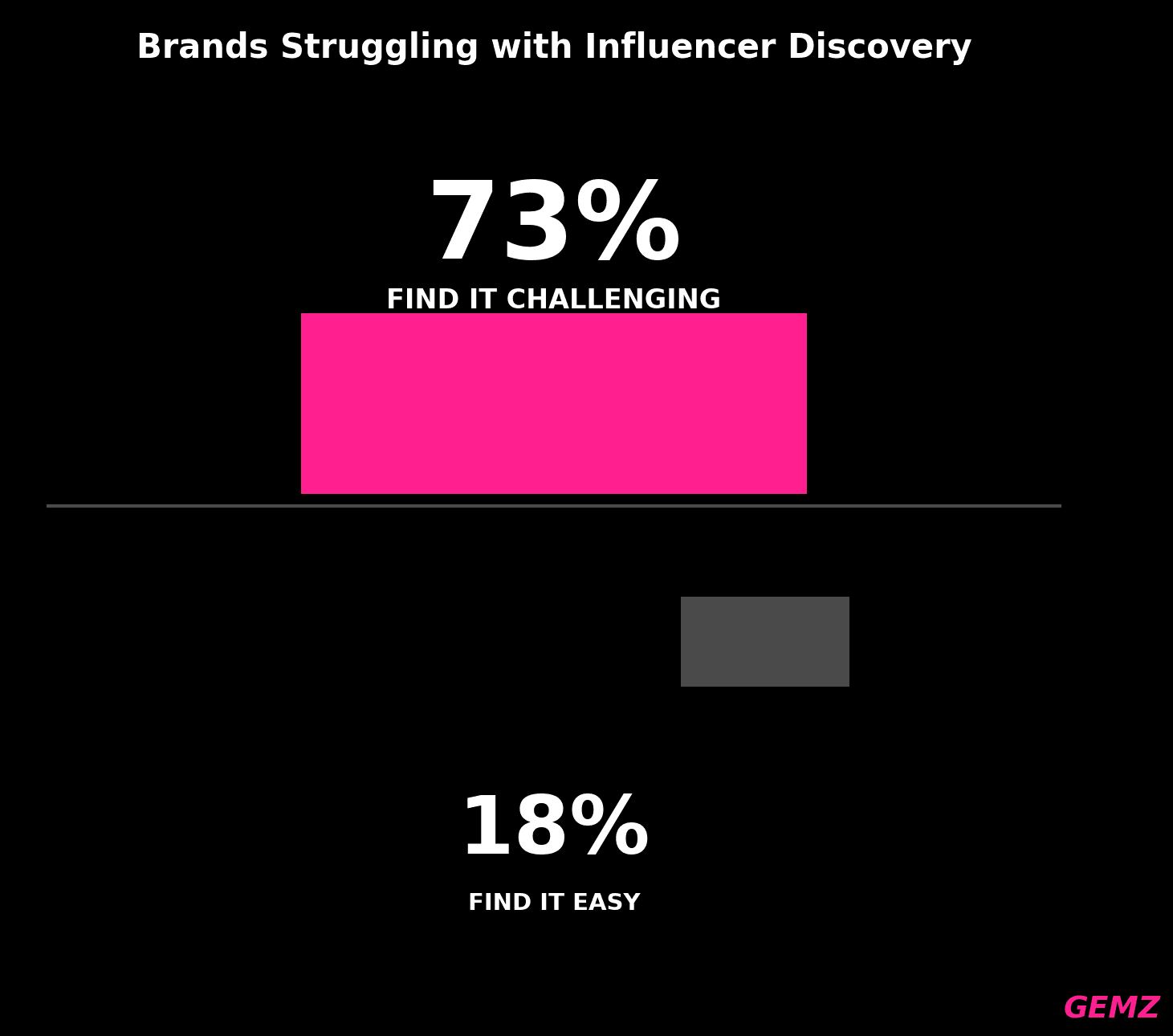
- AI tools can now analyze creator content, audience demographics, and brand safety in seconds
- Platforms like Gemz use AI to surface rising creators before they blow up
- Predictive analytics help identify which creators will drive actual conversions
Why this matters: Brands using AI-powered discovery are finding better-fit creators faster—and often at lower rates since they’re identifying talent before competitors do.
6. YouTube Shorts Monetization Expands
YouTube’s answer to TikTok is getting serious about creator payouts.
Updates:
- Shorts ad revenue sharing is now live globally
- Creators can earn 45% of ad revenue attributed to their Shorts
- New shopping features let viewers buy products directly from Shorts
For brands: YouTube Shorts offers a massive reach opportunity with better monetization infrastructure than TikTok. Expect to see more creator attention—and higher rates—on this platform.
7. The Rise of “De-Influencing”
Plot twist: some influencers are getting famous for telling you NOT to buy things.
The trend: - “De-influencing” content warns followers about overhyped products
- Videos exposing products that “aren’t worth it” get millions of views
- Honest, critical reviews are outperforming purely positive content
What it means for brands: Authenticity matters more than ever. Creators who only post glowing reviews are losing credibility. Smart brands are encouraging honest feedback—even if it’s not 100% positive.
8. Creator-Brand Equity Deals Become Standard
Cash isn’t the only currency anymore.
What’s happening:
- More brands are offering equity stakes to creator partners
- Long-term ambassador deals include profit-sharing agreements
- Some creators are launching their own brands with investor backing
Examples:
- MrBeast’s Feastables (valued at $500M+)
- Emma Chamberlain’s Chamberlain Coffee
- Addison Rae’s ITEM Beauty
This trend is pushing top creators toward deeper, more exclusive brand relationships.
Platform Updates You Need to Know
TikTok
- Shop integration expanded globally with improved commission structures
- Search is becoming a major discovery tool (40% of Gen Z prefers TikTok over Google for searches)
- Longer videos (up to 10 minutes) are getting algorithm preference
- Subscriptions let creators charge for exclusive content
- Collaborative posts can now include up to 4 accounts
- Notes feature is being used for casual brand mentions
YouTube
- Podcasts section is growing, with dedicated influencer opportunities
- Community posts are getting more reach
- Shorts remix features make collaboration easier
Emerging Platforms
- Threads is building out creator tools (watch this space)
- Lemon8 (TikTok’s sister app) is gaining traction in lifestyle niches
- BeReal is experimenting with creator features
Data & Research Highlights
What’s Working in 2025
According to recent industry reports:
Content formats:
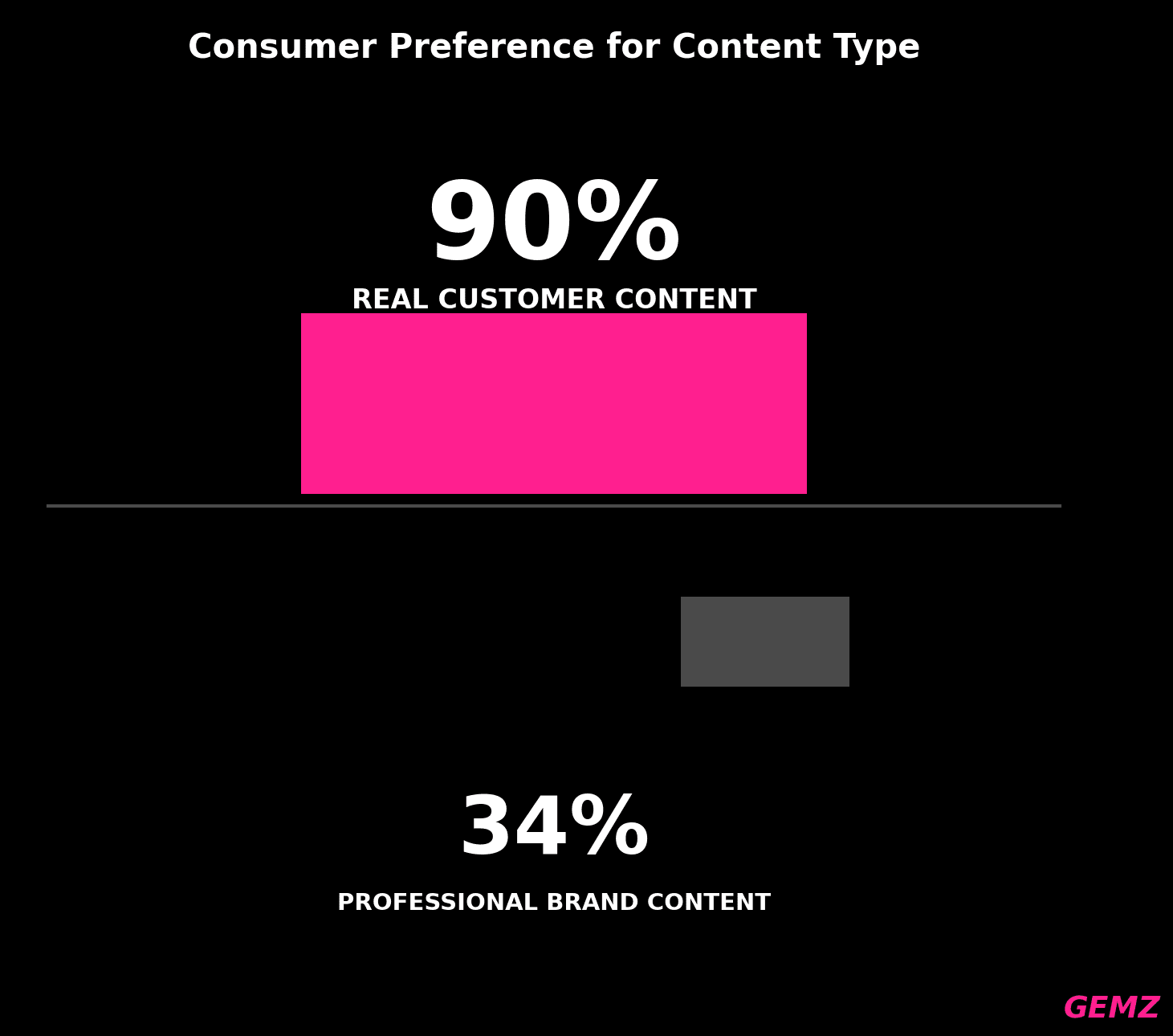
- Short-form video: 89% of marketers say it delivers best ROI
- User-generated content campaigns: 78% increase in conversion rates
- Live shopping: 300% growth in live commerce influencer deals
Creator tiers:
- Nano (1K-10K): 4.8% average engagement rate
- Micro (10K-100K): 2.4% average engagement rate- Mid (100K-500K): 1.6% average engagement rate
- Macro (500K-1M): 1.2% average engagement rate
- Mega (1M+): 0.9% average engagement rate
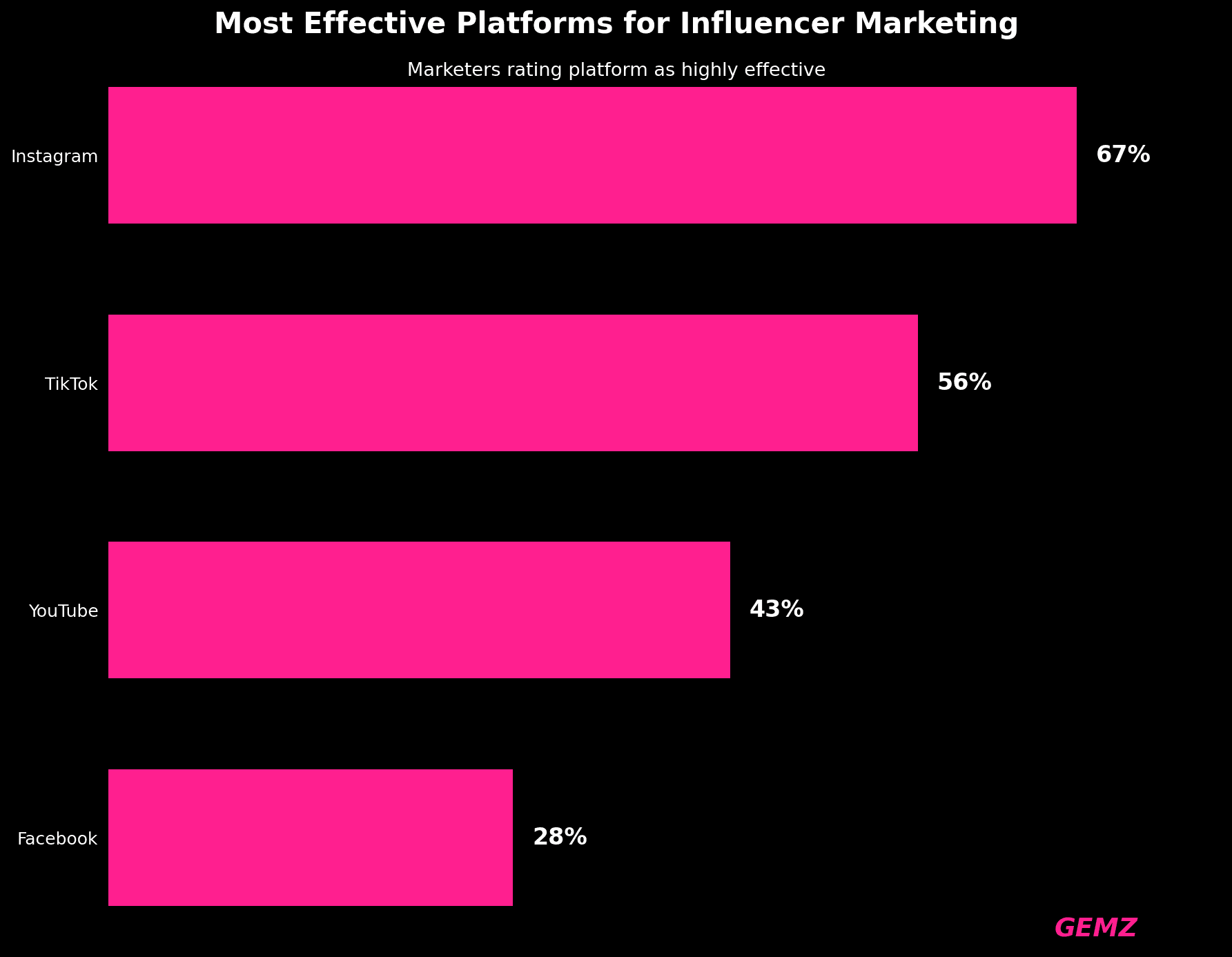
Platform effectiveness: | Platform | Best For | |———-|———-| | TikTok | Brand awareness, Gen Z, virality | | Instagram | Lifestyle brands, millennials, shopping | | YouTube | Long-form education, reviews, tutorials | | LinkedIn | B2B, professional services, SaaS | | Pinterest | Home, fashion, wedding, DIY |
Budget Benchmarks
Where are brands spending in 2025?
- 40% — TikTok campaigns
- 30% — Instagram campaigns
- 20% — YouTube campaigns
- 10% — Other platforms (LinkedIn, Pinterest, emerging)
Average campaign budgets:
- Small brands: $5,000 - $25,000
- Mid-market: $25,000 - $100,000
- Enterprise: $100,000 - $1M+
What to Watch: Emerging Trends
1. AI Influencers Going Mainstream
Virtual influencers like Lil Miquela already have millions of followers. Expect more brands to experiment with AI-generated creators—especially for always-on content needs.
2. Performance-Based Deals
Flat-fee partnerships are declining. More contracts now include:
- Affiliate commission components
- Performance bonuses tied to sales
- Revenue sharing agreements
3. Employee Influencer Programs
Brands are turning their own employees into micro-influencers. It’s authentic, cost-effective, and builds employer brand simultaneously.
4. Localized Creator Strategies
Global brands are moving away from one-size-fits-all campaigns. Local creators in specific markets are driving better results than big-name global influencers.
5. Creator-Led Product Development
Beyond just promoting products, creators are increasingly involved in product development. Brands are co-creating with influencers from the R&D stage.
How to Stay Updated
The influencer marketing landscape changes weekly. Here’s how to keep up:
Newsletters:
- ICYMI by Lia Haberman
- Creator Economy by Peter Yang
- The Publish Press
Podcasts:
- Earned (by Traackr)
- The Influencer Podcast
- Creator Upload
Industry Reports:
- Influencer Marketing Hub’s annual benchmark report
- CreatorIQ’s industry studies
- HypeAuditor’s state of influencer marketing
Communities:
- Creator Economy subreddit
- LinkedIn influencer marketing groups
- Private Slack communities for marketing pros
Key Takeaways
Here’s what you should remember from this roundup:
- TikTok is the platform to watch — but don’t sleep on YouTube Shorts and LinkedIn
- AI is changing discovery — tools that surface creators faster are becoming essential
- Authenticity wins — the de-influencing trend shows that honesty outperforms hype
- Compliance matters — the FTC is actively enforcing disclosure rules
- Nano and micro are mighty — smaller creators often drive better engagement and ROI
Want to discover creators before they blow up? Gemz uses AI to find rising talent across TikTok, Instagram, and YouTube in real-time—so you can partner with tomorrow’s stars at today’s rates.
Infographic Concepts
Infographic 1: “Influencer Marketing by the Numbers (2025)”
Data visualization showing key industry stats: market size ($24B), platform breakdown of spending, engagement rates by creator tier, and budget benchmarks. Use icons and charts to make data scannable.
Infographic 2: “Platform Comparison Guide”
Side-by-side comparison of TikTok, Instagram, YouTube, and LinkedIn showing: best audience demographics, content formats, average engagement rates, and ideal brand types for each platform.